
In a world where travel has become more about inspiration than destination, our homes are evolving into living galleries of global culture. Each texture, finish, and curve can tell a story ; not just of style, but of human ingenuity. From the charred cedar of Japan to the polished lime plaster of Morocco, traditional craftsmanship continues to shape how we experience modern interiors.
Imagine a single home that whispers in five languages , a blend of ancient artistry and contemporary vision. Let’s step inside.
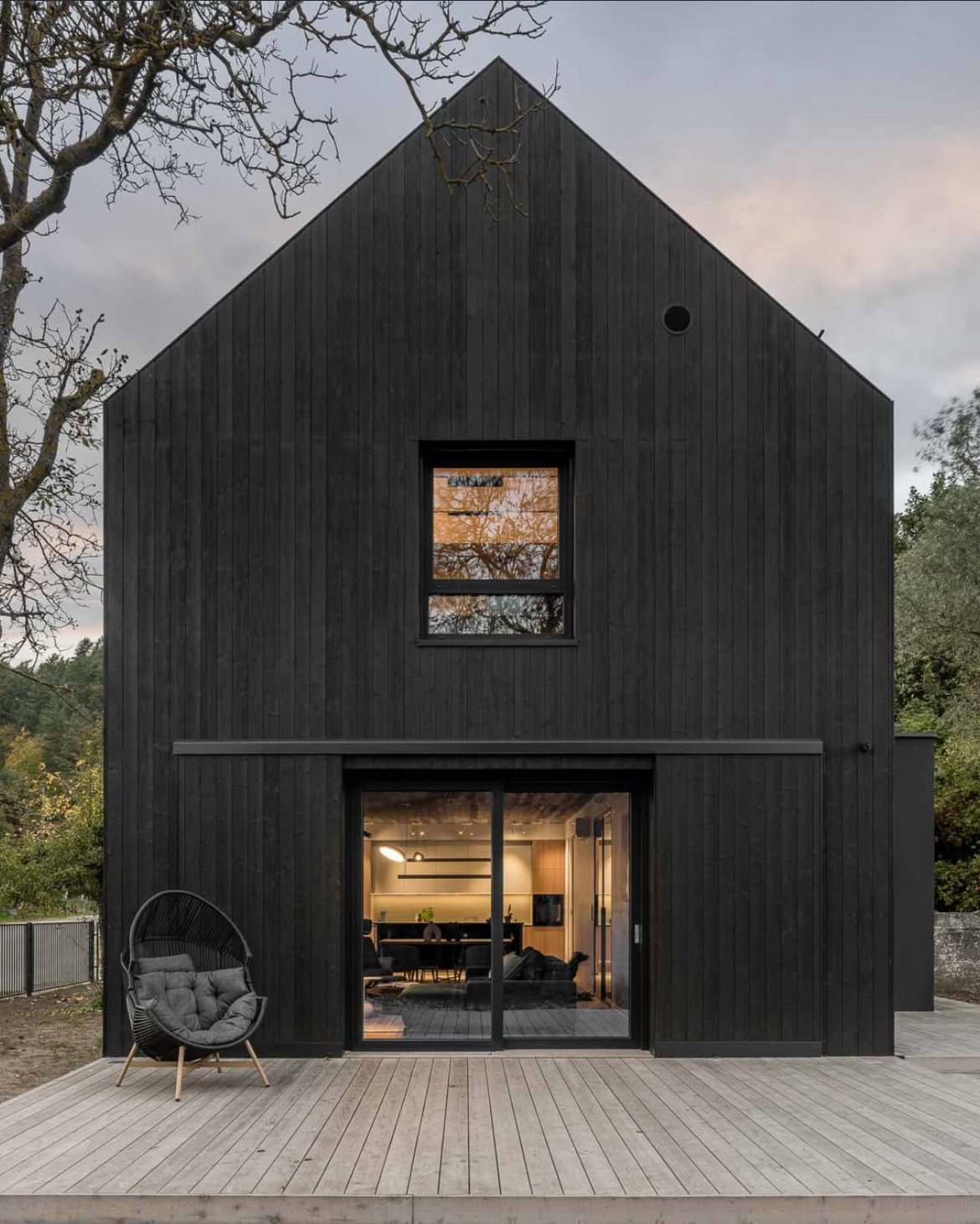
1. Shou Sugi Ban (Japan) – The Poetry of Preservation
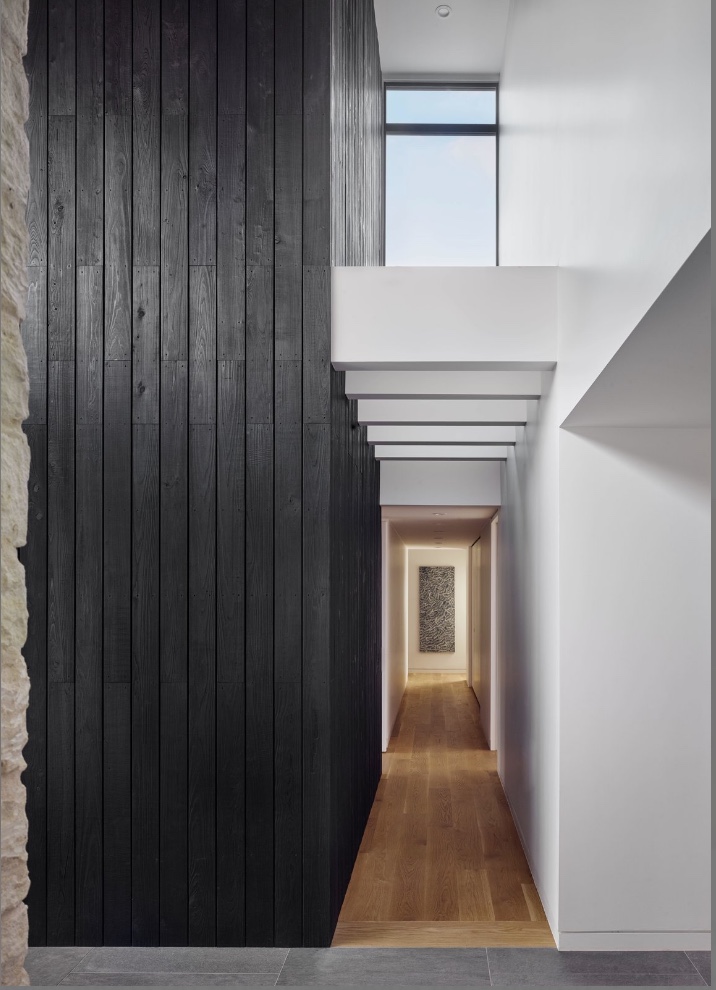
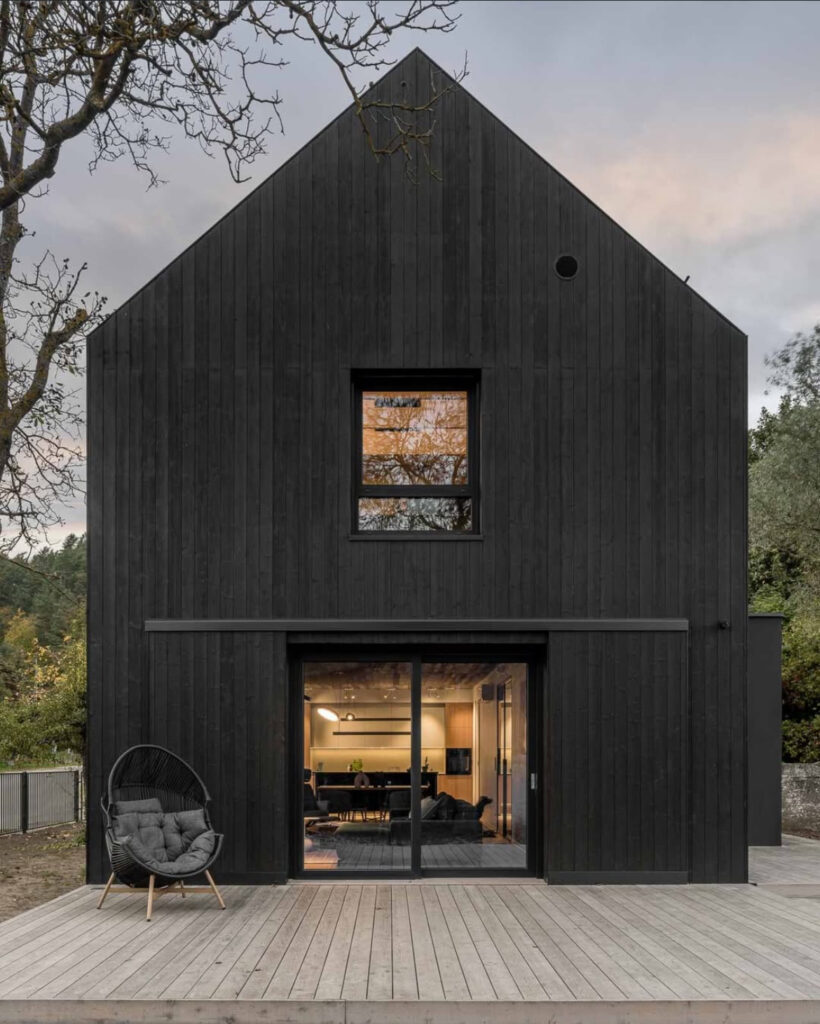
In Japan, beauty often lies in imperfection and endurance. Shou Sugi Ban (the art of charring wood) is a centuries-old technique used to protect cedar from the elements. The process leaves the surface deep and textured, revealing a blackened grain that’s both haunting and elegant.
In today’s interiors, Shou Sugi Ban can bring quiet drama to an accent wall, fireplace, or custom furniture piece. Its tactile surface captures light in subtle ways, reminding us that time and transformation are part of beauty. This is Wabi-Sabi embodied , resilience made visible.
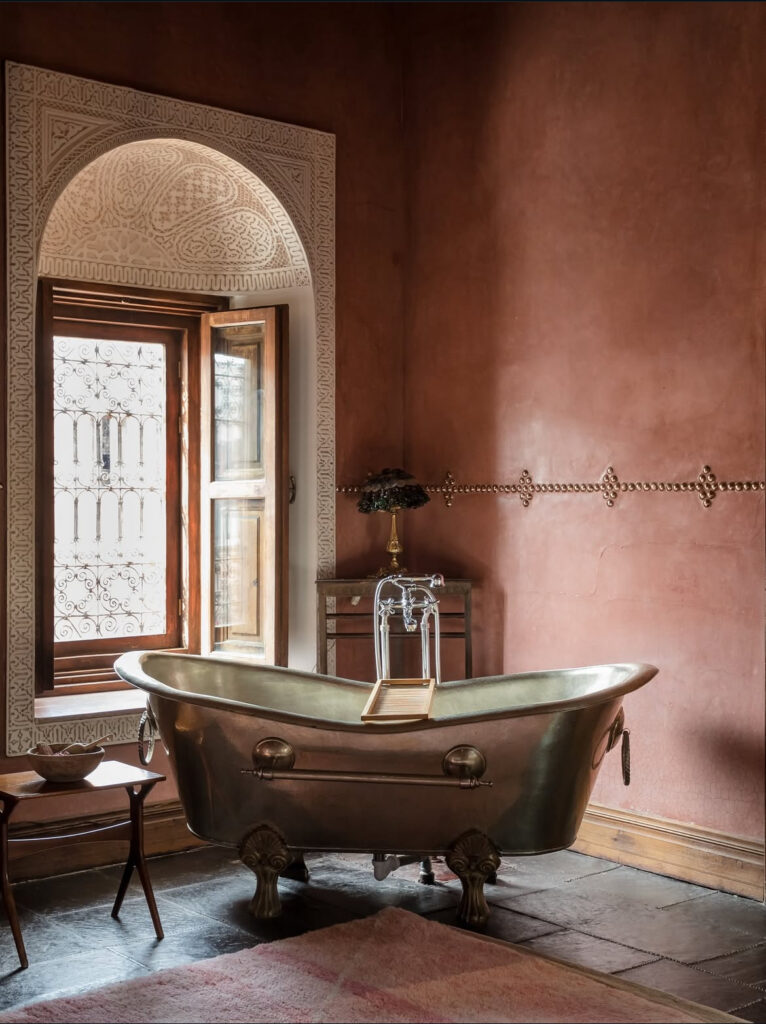
2. Tadelakt (Morocco) – The Art of Silken Walls
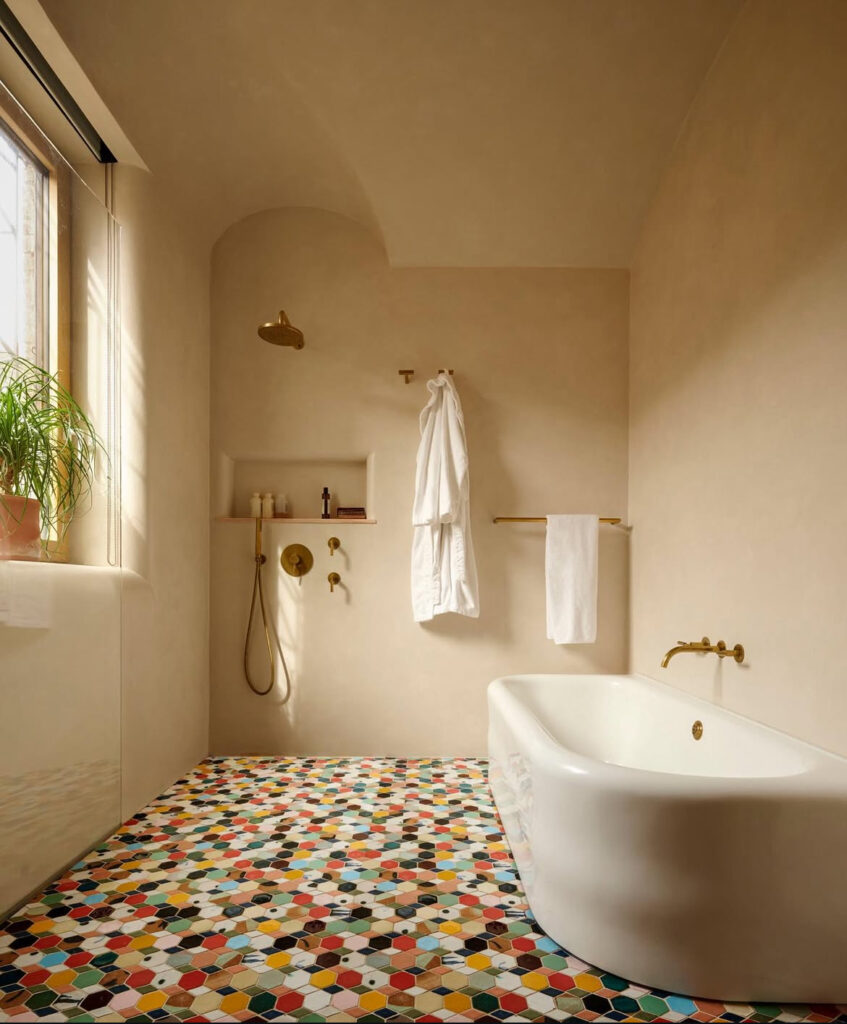
Step into a Moroccan Riad, and you’ll find walls that seem to breathe. Tadelakt is a traditional lime plaster polished with natural olive soap, creating a surface that is both waterproof and irresistibly smooth. Its texture feels like stone kissed by time ; soft, luminous, and deeply tactile.
In modern design, Tadelakt brings a spa-like serenity to bathrooms, alcoves, or fireplace surrounds. It blurs the line between architecture and sculpture, giving each curve a gentle, organic flow. More than a finish, it’s an experience , a quiet reminder that elegance can be handmade.
3. Terrazzo (Italy) – The Beauty of Fragments
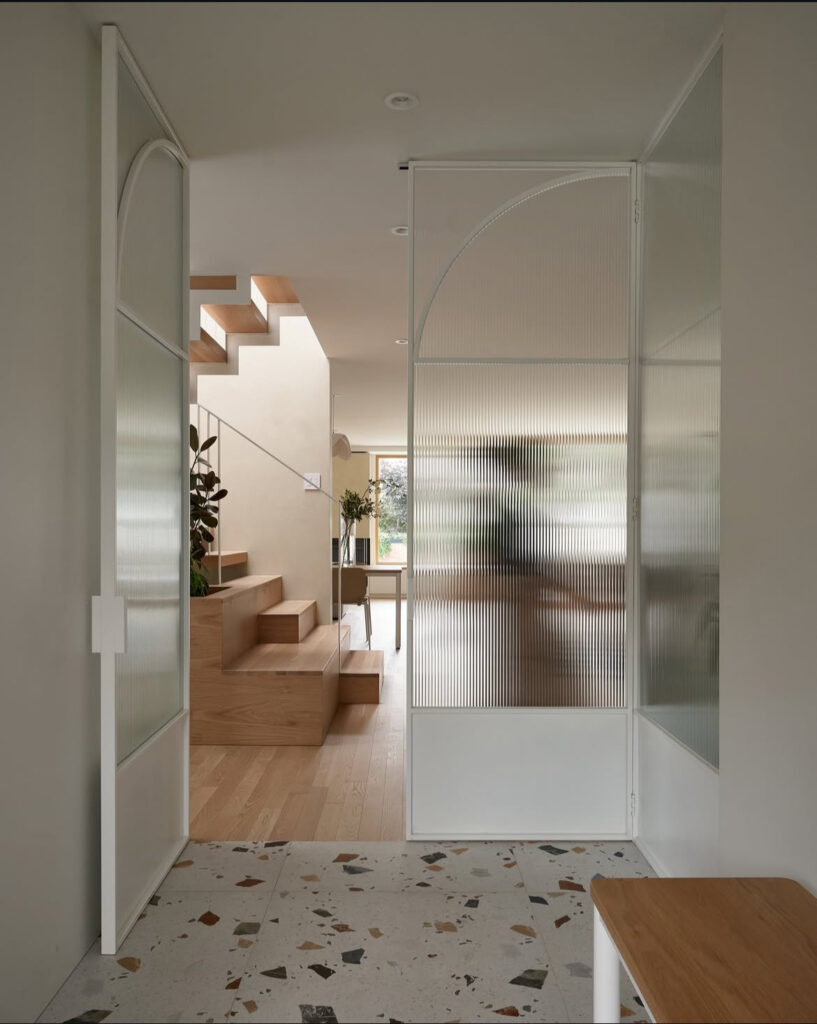
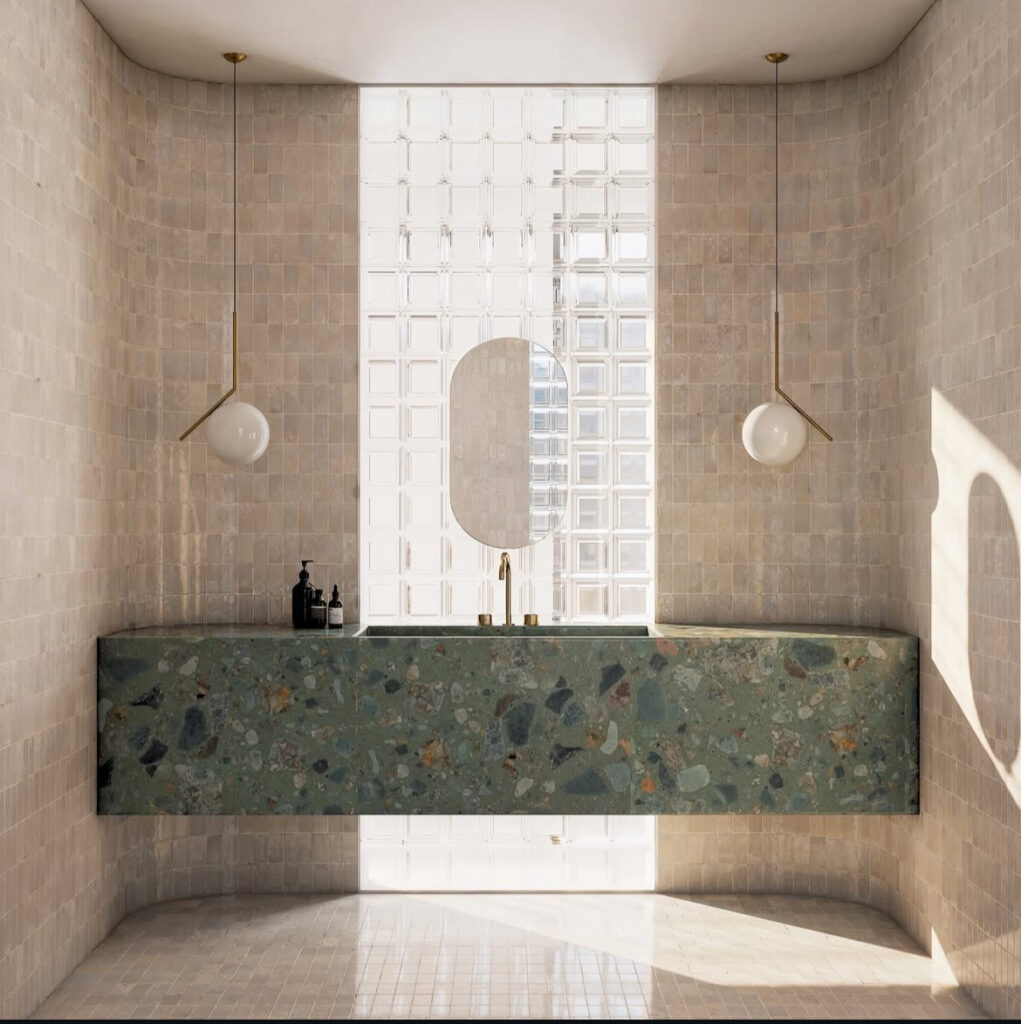
Born in 15th-century Venice, Terrazzo was created by craftsmen repurposing marble chips from grand palazzos. Set in lime or cement, these fragments formed mosaic-like surfaces that were as sustainable as they were stunning.
Today, Terrazzo has returned to the spotlight, gracing floors, counters, and tables with joyful imperfection. Each piece is unique — a celebration of craftsmanship, patience, and playfulness. In a home, it introduces movement and memory, showing that what’s broken can become something whole again.
4. Mashrabiya Screens (Middle East/North Africa) – Light in Lattice
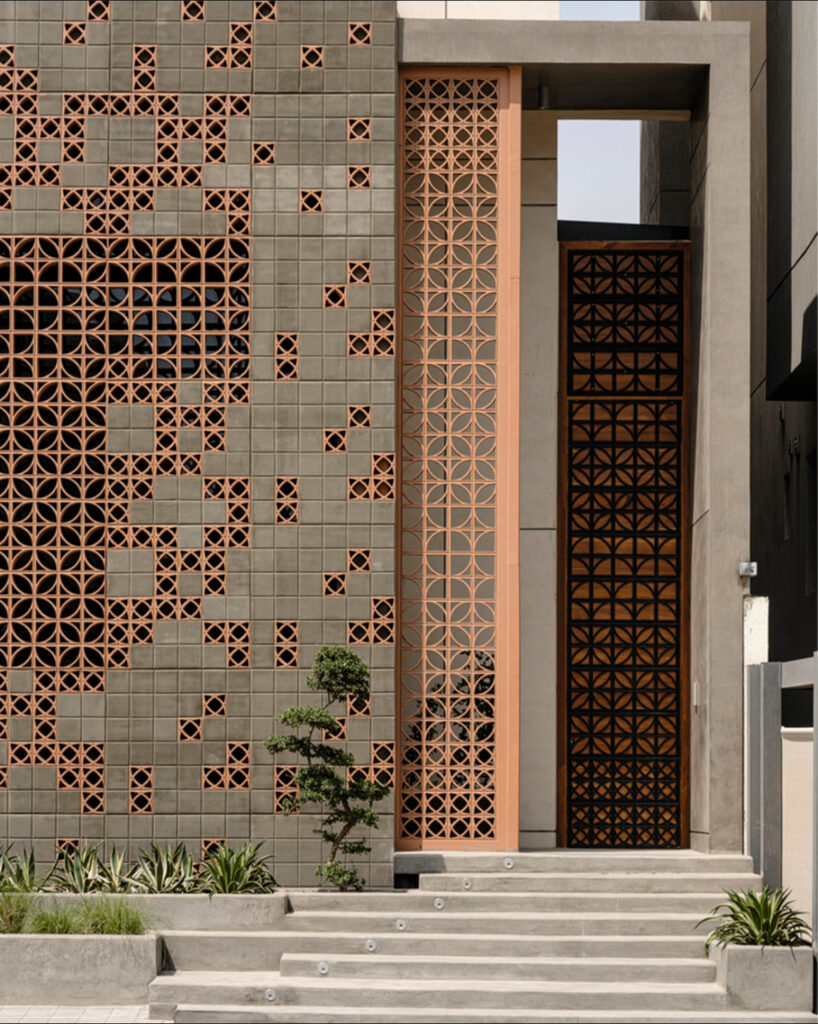
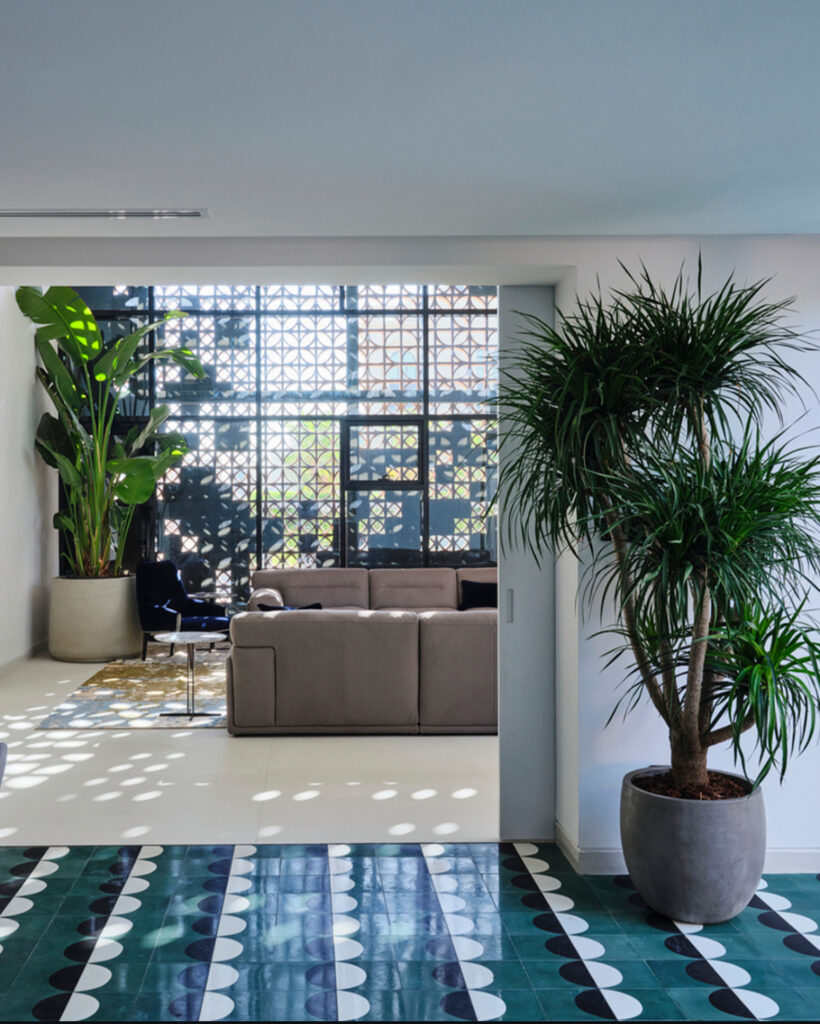
There’s a poetry to light filtered through carved wood. Mashrabiya, the intricate lattice screens found in traditional Arabic architecture, have long served as both ornament and function — offering privacy, shade, and ventilation while transforming sunlight into patterns of lace.
Reimagined in contemporary interiors, Mashrabiya-inspired panels can serve as room dividers, wall art, or window treatments. They invite a dialogue between inside and out — a dance of light and shadow that changes with the day. In a quiet way, they teach us that boundaries can be beautiful.
5. Adobe (Latin America) – Earth as Architecture
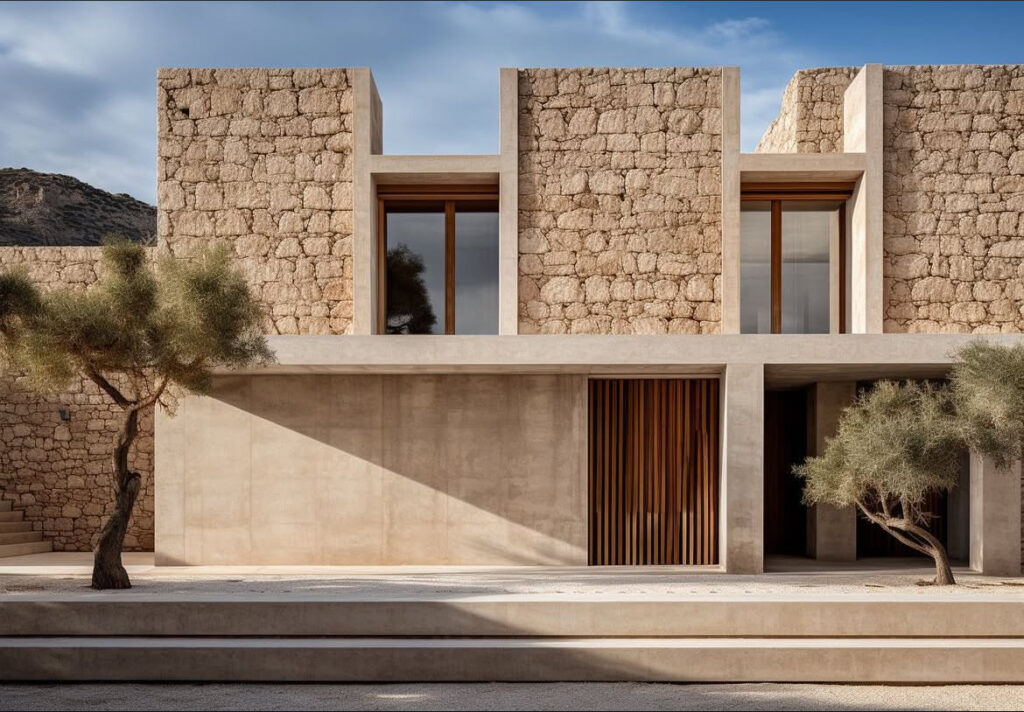
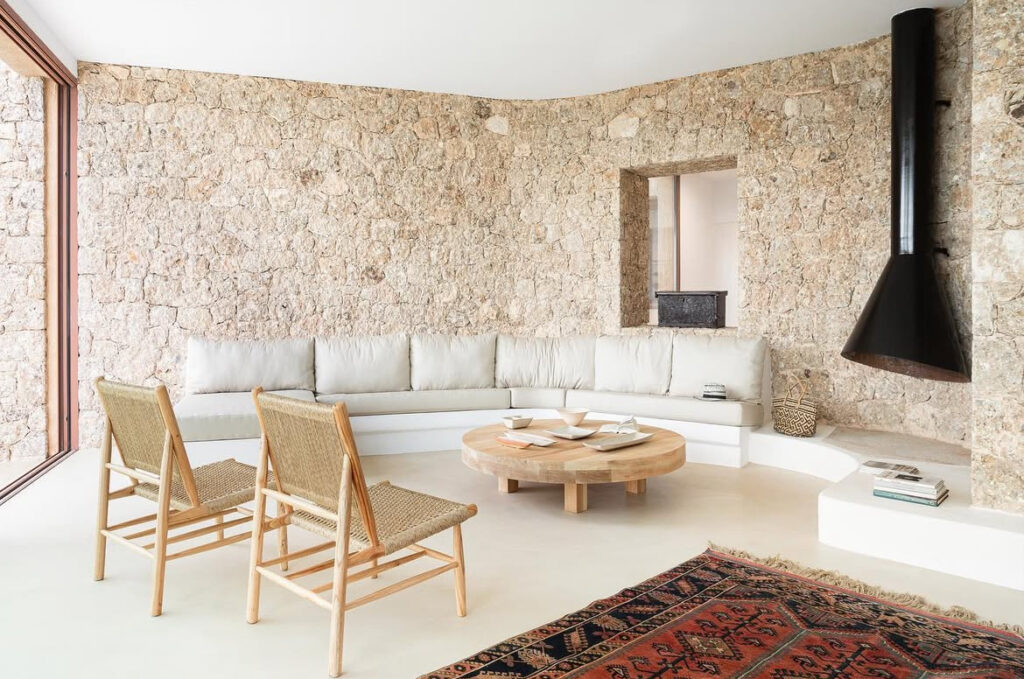
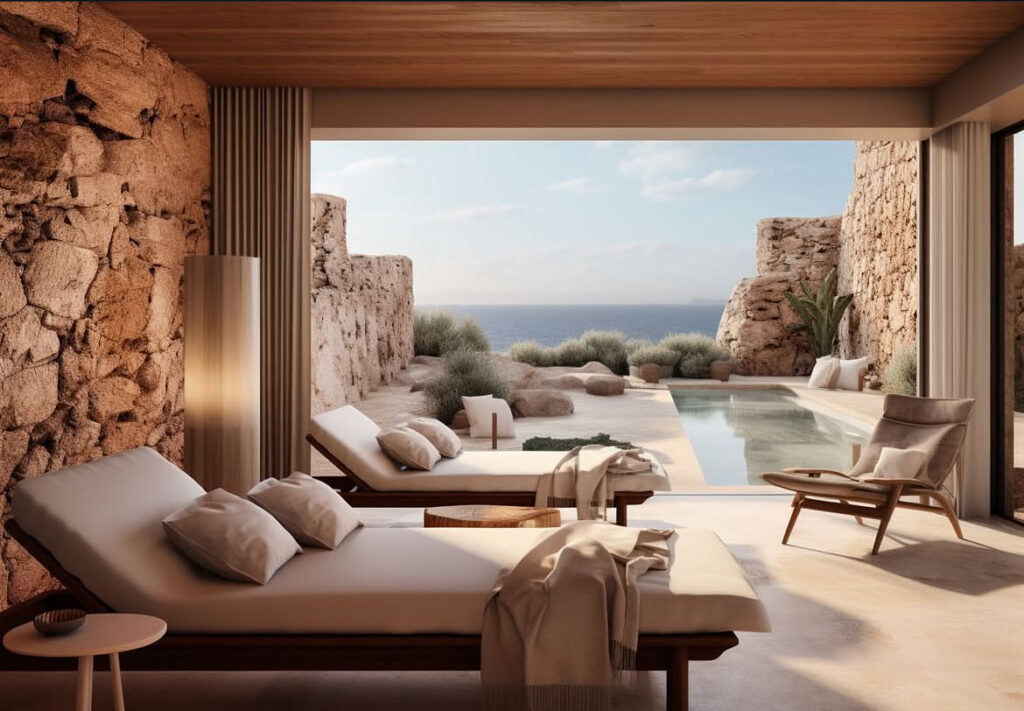
Long before “eco-design” was a trend, adobe , a mix of earth, straw, and water , formed the foundation of homes across Latin America and beyond. Thick, rounded walls created natural insulation, keeping interiors cool in heat and warm in chill.
Modern designers are rediscovering adobe’s sculptural softness. Built-in seating, arched niches, and curved thresholds all pay homage to this earth-born architecture. It reminds us that design, at its core, is a conversation with nature , one that feels grounding and eternal.
Bringing the World Home
A truly global home isn’t about collecting artifacts , it’s about honoring the craft, spirit, and story behind each material. When Shou Sugi Ban meets Tadelakt, or Terrazzo rests beneath the shadows of Mashrabiya, you’re not just layering textures ; you’re weaving narratives from across continents.
Each technique reflects a philosophy: resilience, serenity, resourcefulness, grace, and connection to the earth. Together, they remind us that great design transcends trends ; it tells the story of who we are, and where we come from.
Follow us on Instagram @studioendi for more !